











Imagine walking into a bakery on your way home from work. The warm smell of freshly baked bread instantly makes you feel hungry—even if you had dinner an hour earlier.
Imagine walking into a bakery on your way home from work. The warm smell of freshly baked bread instantly makes you feel hungry—even if you had dinner an hour earlier.
You pull into your driveway after work, turn off the engine, and reach for your keys. As you step out of the car, a strange thought crosses your mind—you barely
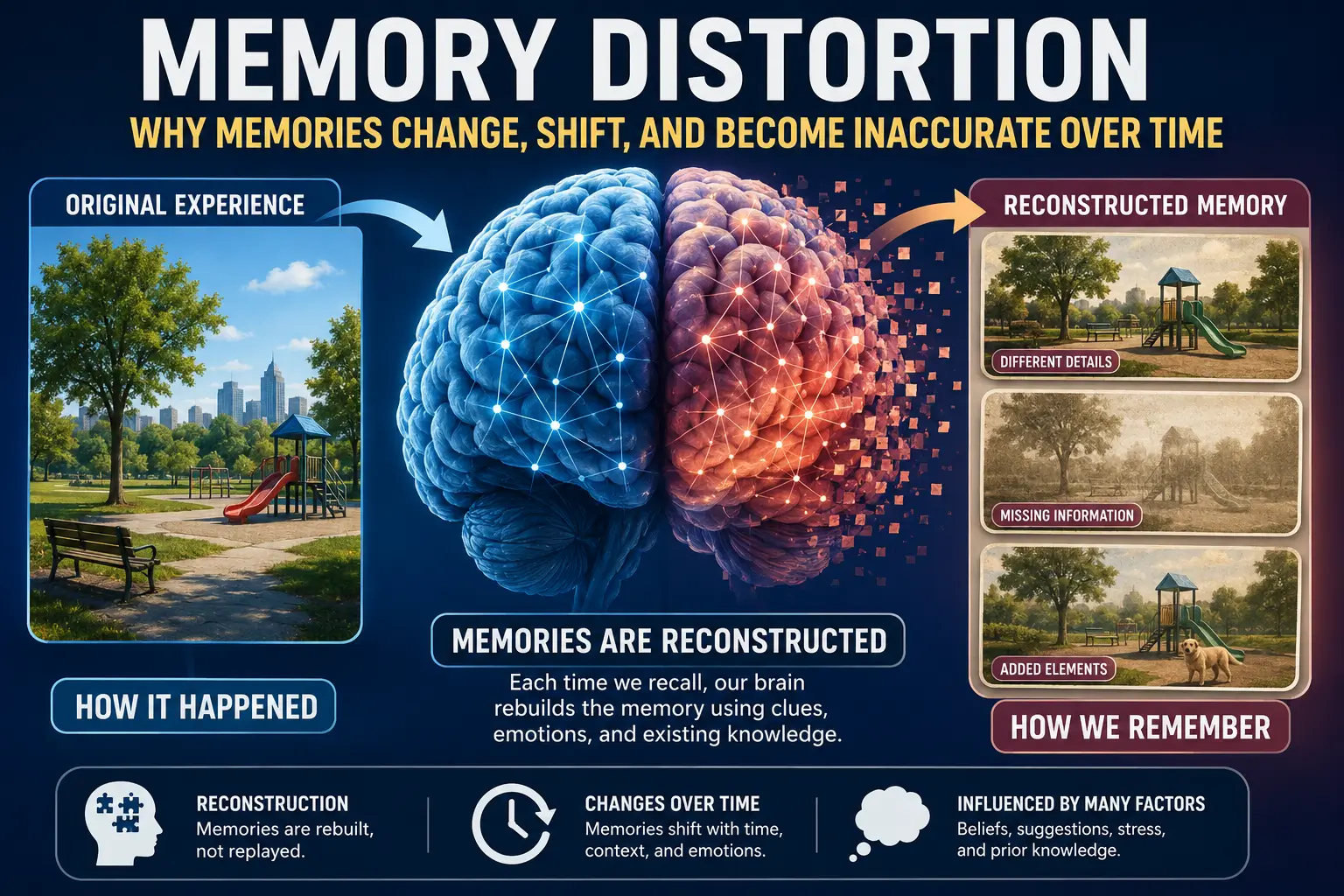
Many people think of memory as a recording device that stores experiences exactly as they happened. Modern cognitive psychology tells a very different story. Memory is not a perfect archive.
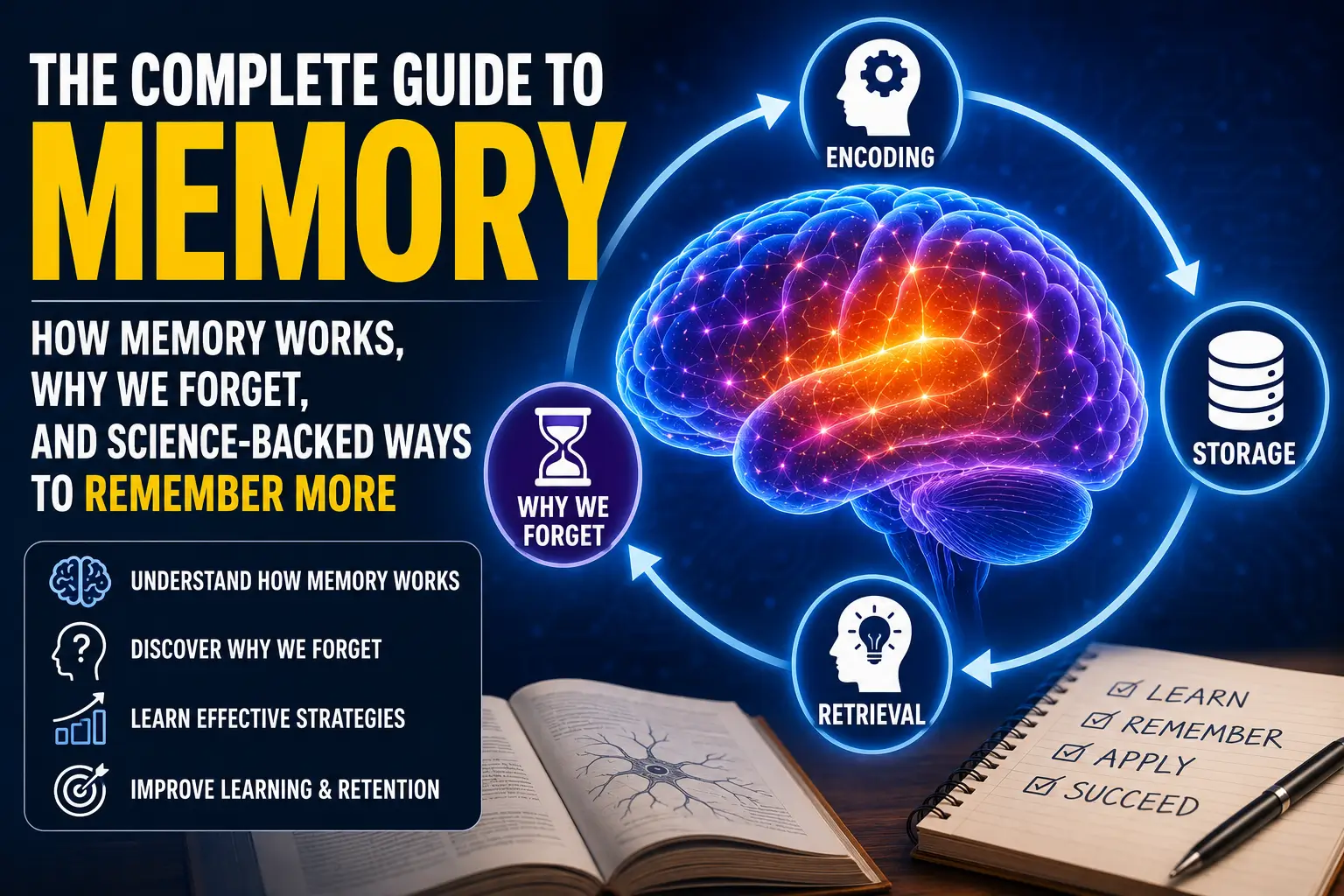
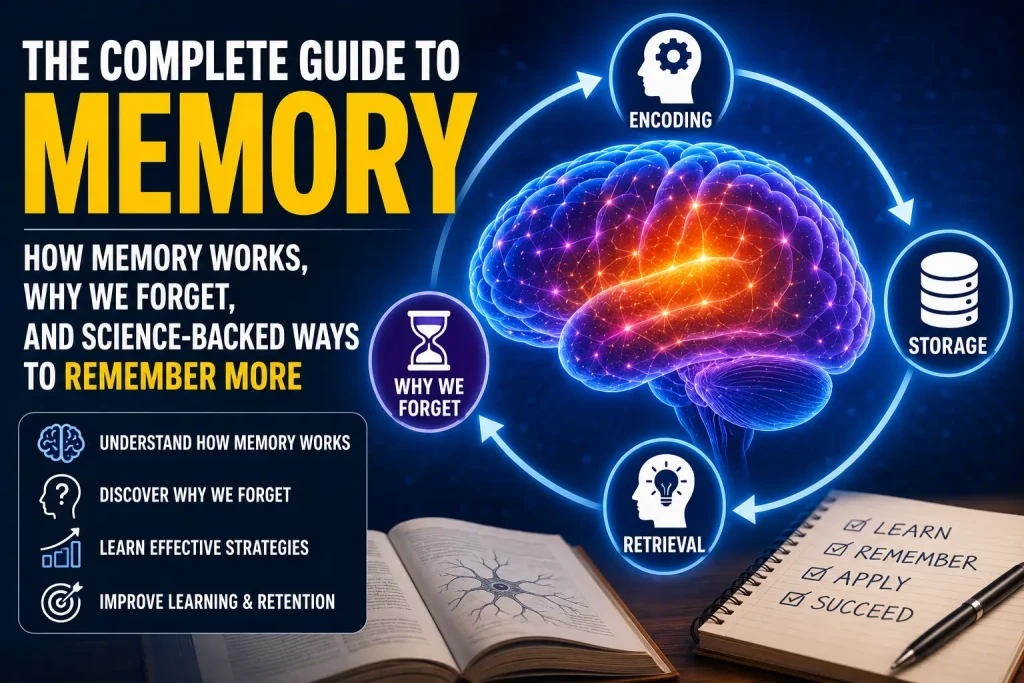
Memory is the brain’s ability to encode, store, and retrieve information. Modern cognitive science shows that memory is not a single system but a collection of interconnected processes that support

Why do some pieces of information stay in memory for years while others disappear within hours? One reason involves a powerful psychological phenomenon known as the self-reference effect. The self-reference
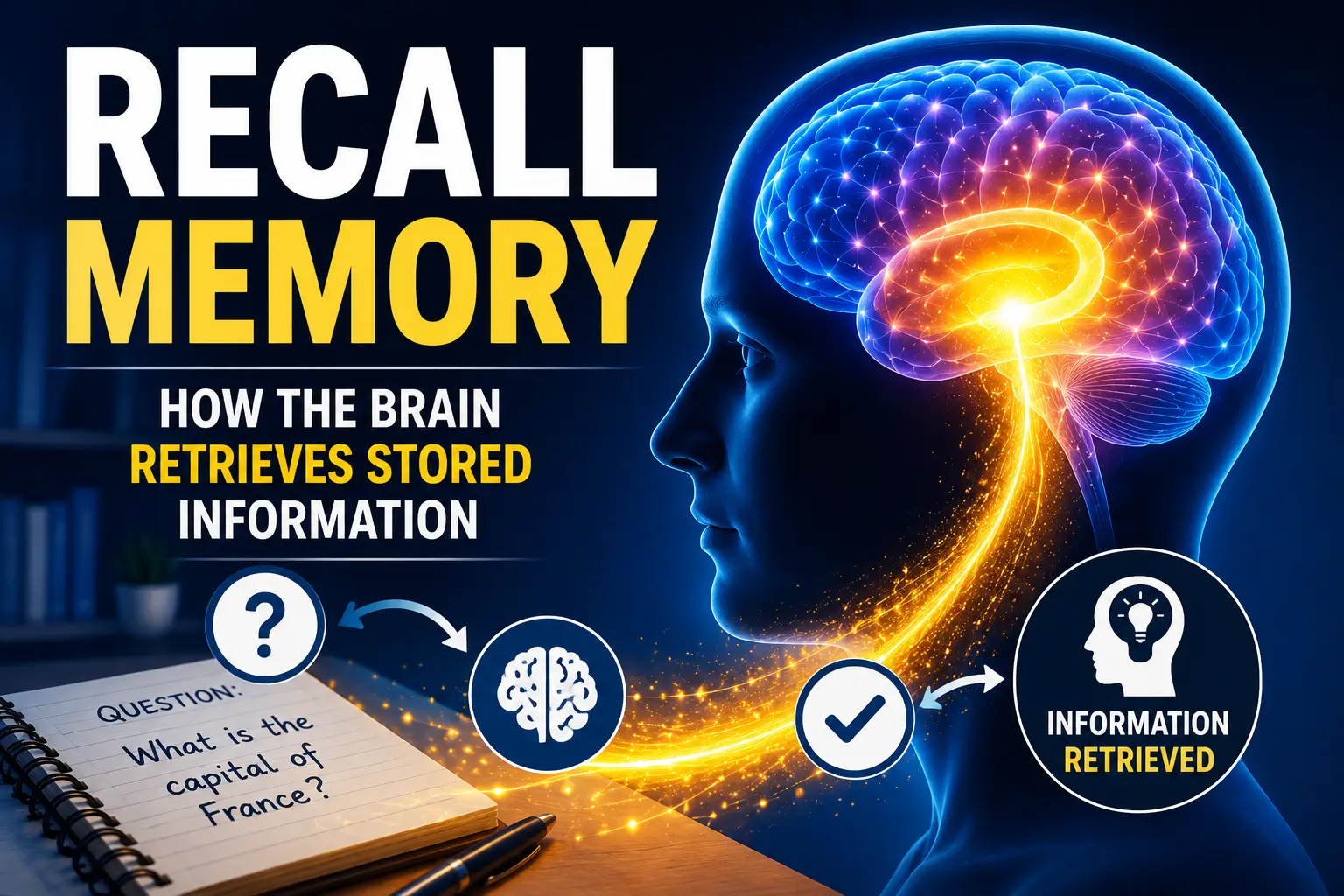
Have you ever known that information was stored somewhere in your mind but struggled to bring it into conscious awareness? Perhaps you forgot a person’s name during a conversation but
Imagine walking into a bakery on your way home from work. The warm smell of freshly baked bread instantly makes you feel hungry—even if you had dinner an hour earlier.
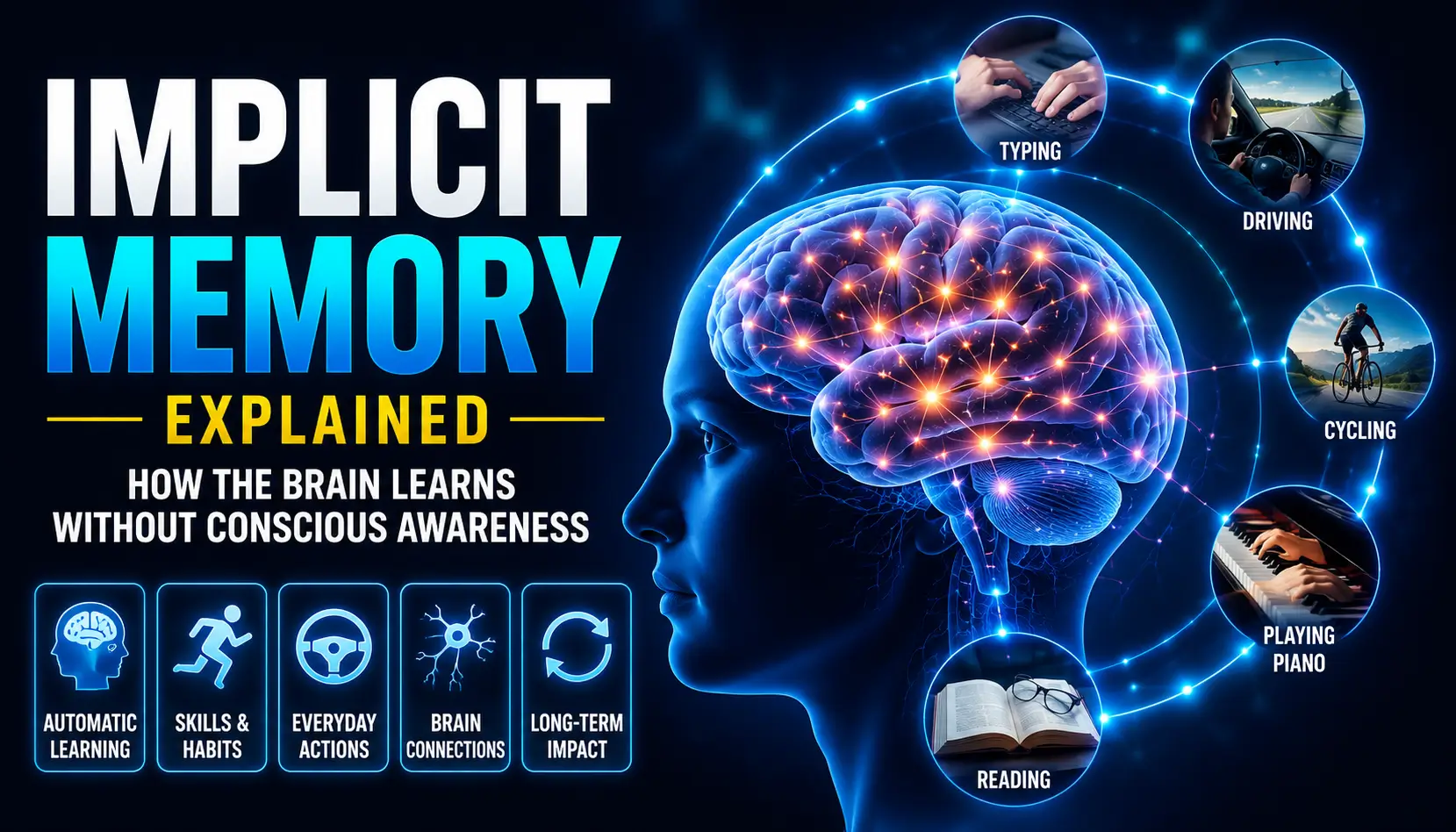
You pull into your driveway after work, turn off the engine, and reach for your keys. As you step out of the car, a strange thought crosses your mind—you barely
Many people think of memory as a recording device that stores experiences exactly as they happened. Modern cognitive psychology tells a very different story. Memory is not a perfect archive.
Memory is the brain’s ability to encode, store, and retrieve information. Modern cognitive science shows that memory is not a single system but a collection of interconnected processes that support
Why do some pieces of information stay in memory for years while others disappear within hours? One reason involves a powerful psychological phenomenon known as the self-reference effect. The self-reference
Have you ever known that information was stored somewhere in your mind but struggled to bring it into conscious awareness? Perhaps you forgot a person’s name during a conversation but
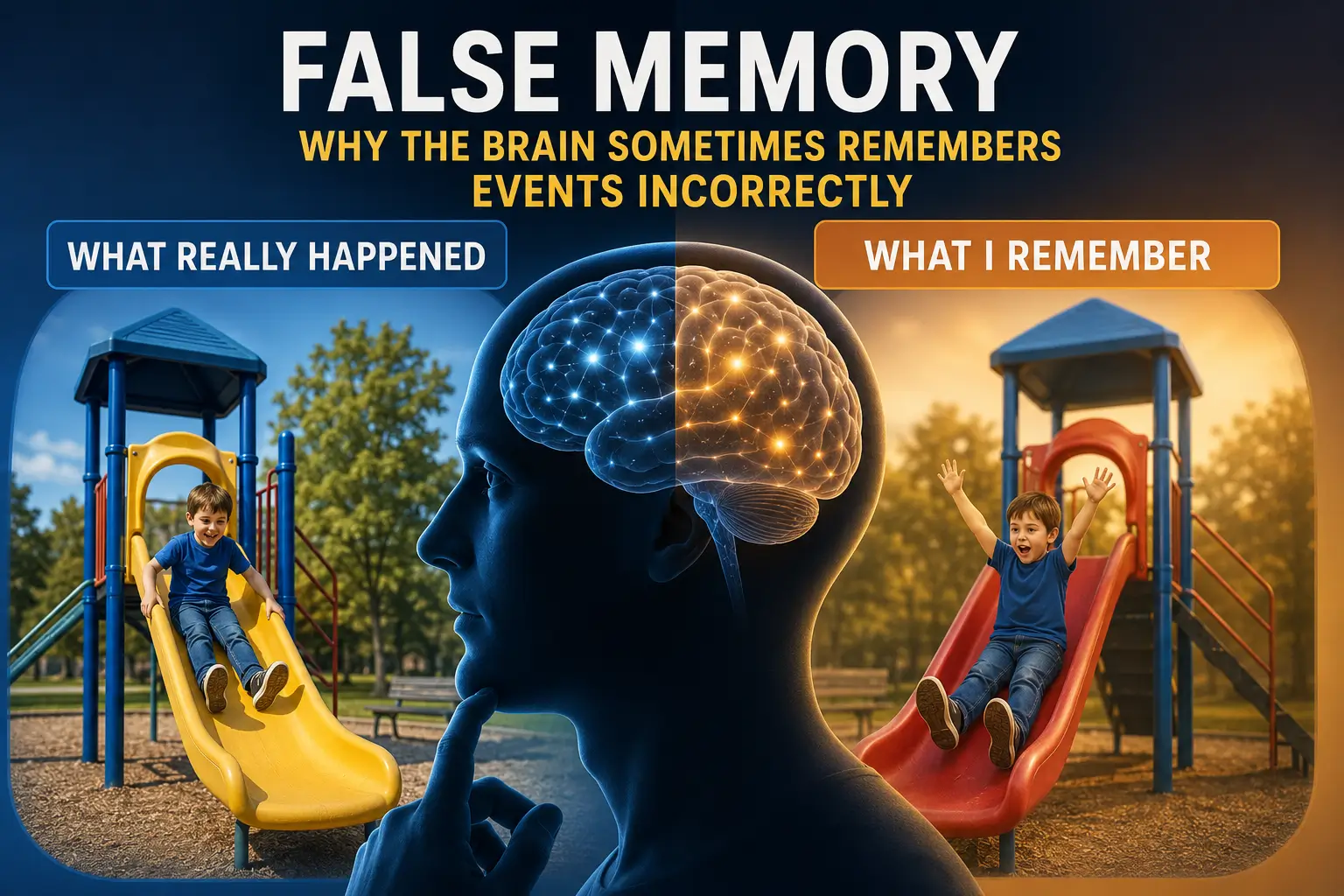
Have you ever felt completely certain that something happened, only to discover later that your memory was inaccurate? Maybe you remembered a conversation differently than someone else, recalled details that
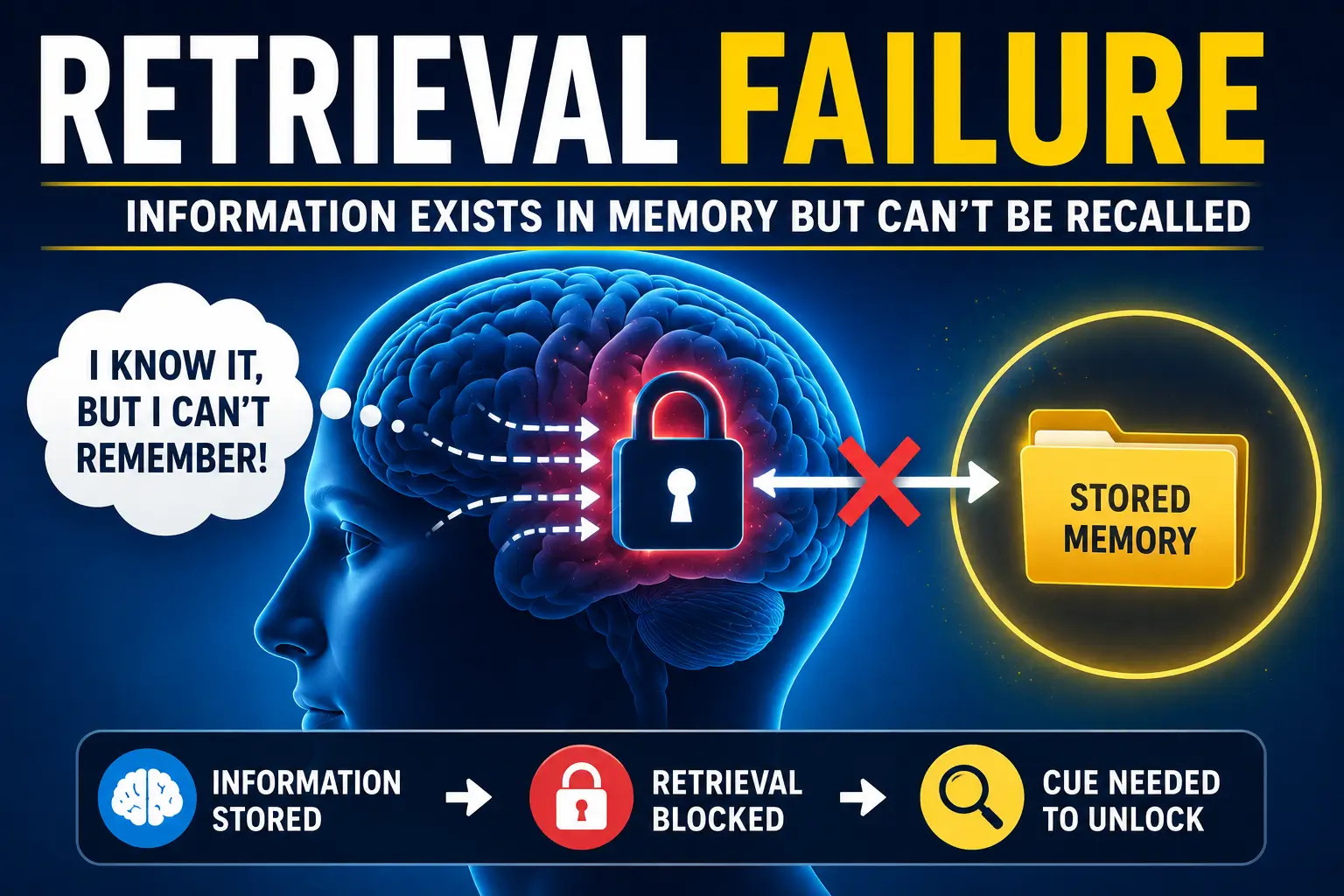
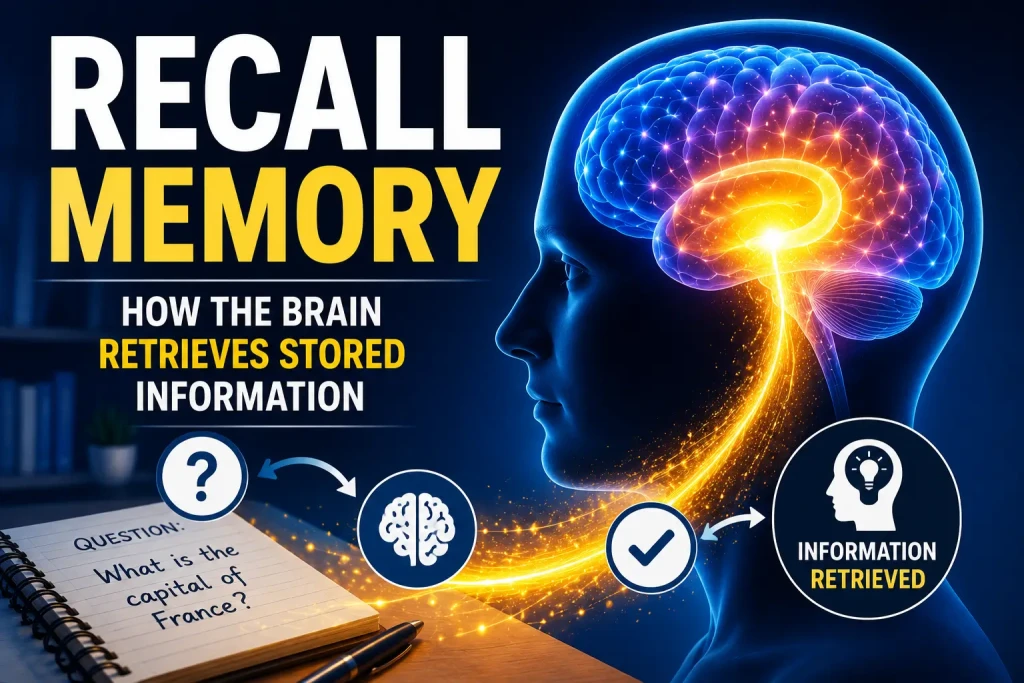
Have you ever known that you knew something but simply could not retrieve it at the moment you needed it? Maybe a person’s name was on the tip of your
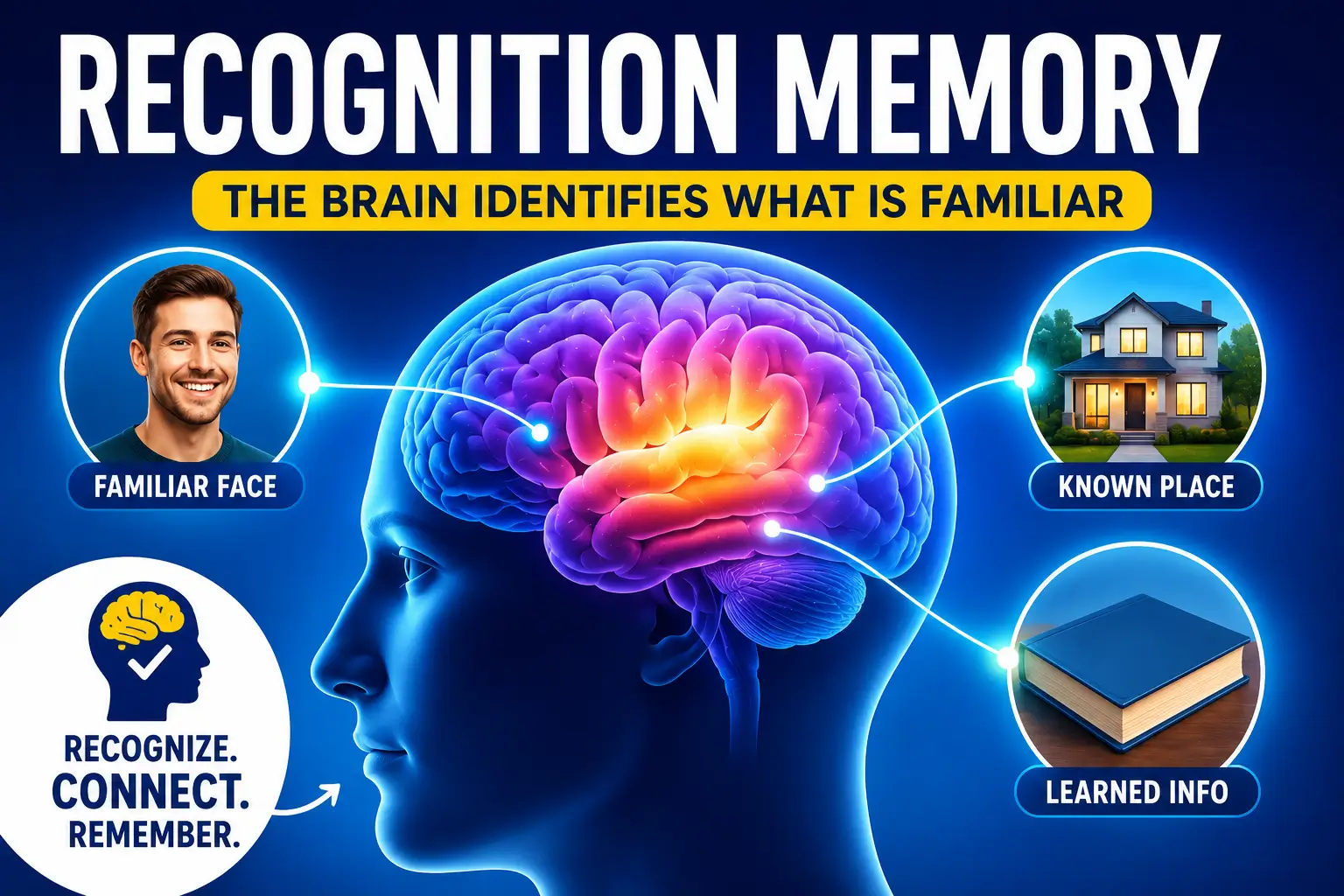
Why is it often easier to recognize the correct answer on a multiple-choice test than to recall it from memory without any hints? Why can you instantly recognize a familiar
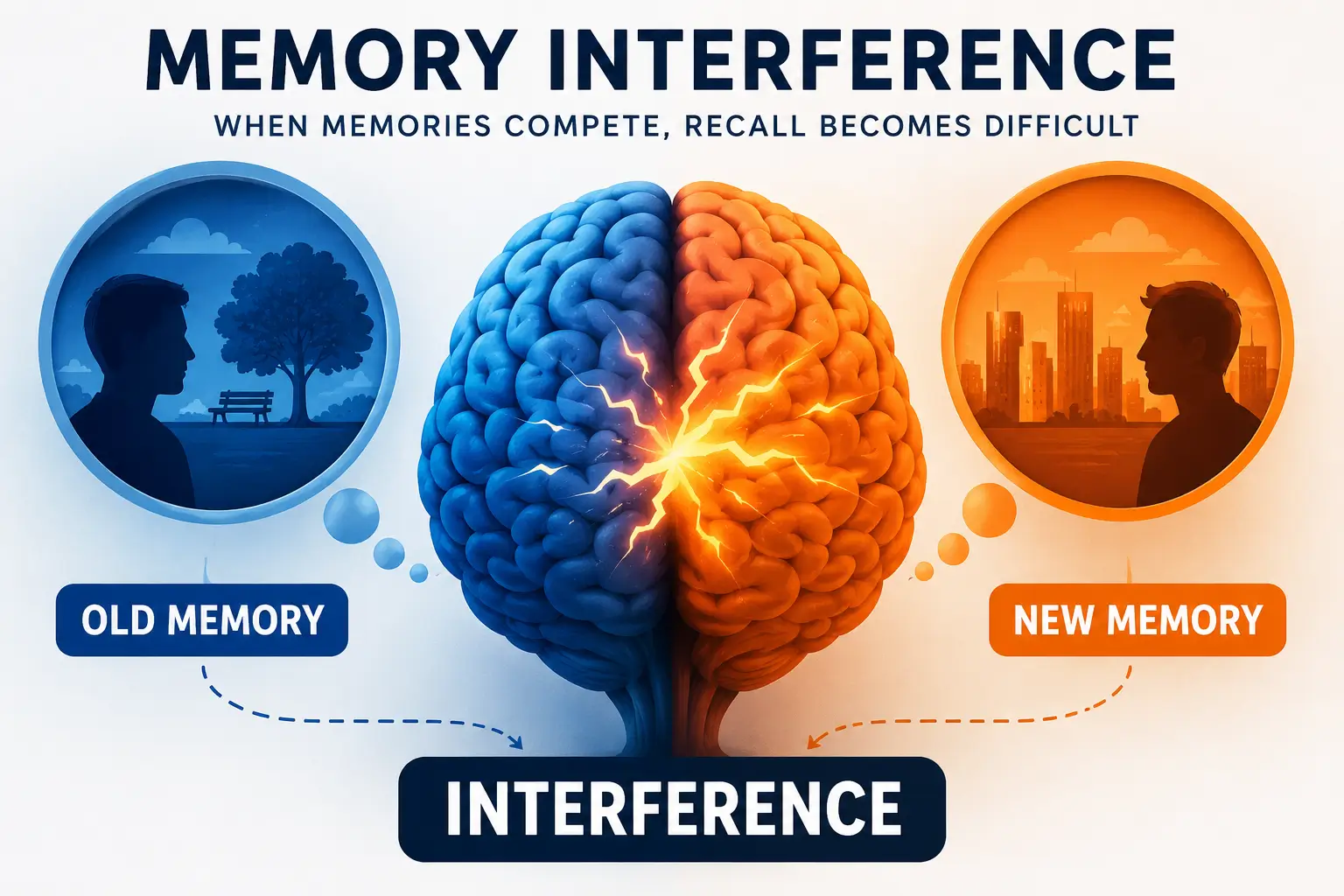
Have you ever forgotten a newly learned password because you kept typing your old one? Or struggled to remember where you parked today because yesterday’s parking spot kept coming to